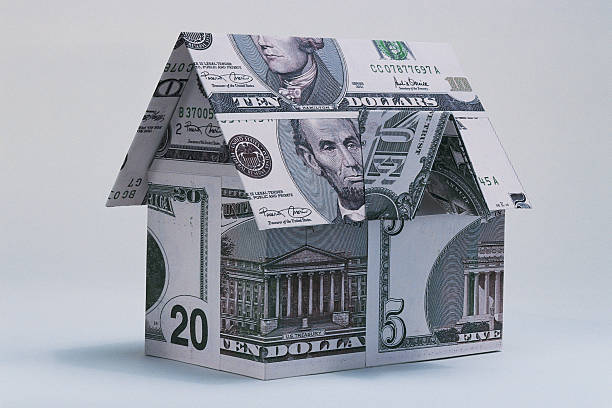
 The dream of homeownership often feels most distant at the prospect of saving a substantial down payment, traditionally set at twenty percent of a home’s purchase price. For many aspiring buyers, accumulating such a sum can seem an insurmountable barrier. The encouraging answer to the question, “Can I get a mortgage with a low down payment?“ is a resounding yes. A variety of loan programs exist specifically to make home buying accessible with a minimal initial investment, though understanding the nuances, requirements, and trade-offs is essential for making an informed decision.The most widely recognized low-down-payment option is the conventional loan backed by Fannie Mae or Freddie Mac, which can require as little as three percent down for qualified first-time homebuyers. While this dramatically lowers the entry barrier, it introduces the cost of private mortgage insurance. PMI is a mandatory monthly fee that protects the lender in case of default, adding to the overall monthly housing expense until the homeowner builds sufficient equity, typically reaching twenty percent. Another cornerstone program is the Federal Housing Administration loan, which allows down payments as low as three and a half percent. FHA loans are particularly forgiving of lower credit scores and can be a vital tool for many, but they come with both an upfront and an annual mortgage insurance premium that, unlike conventional PMI, may last for the life of the loan in many cases.For those who have served their country, the Department of Veterans Affairs offers one of the most advantageous programs: VA loans. These provide the possibility of zero percent down payment for eligible veterans, active-duty service members, and some surviving spouses. VA loans also do not require mortgage insurance, though they do charge a funding fee that can be rolled into the loan amount. Similarly, the United States Department of Agriculture provides USDA loans for eligible homes in designated rural and suburban areas, which also feature zero-down-payment options for moderate-income borrowers, coupled with guarantee fees that function similarly to mortgage insurance.It is crucial to recognize that a lower down payment is not without its strategic trade-offs. The most immediate consequence is a higher loan amount, which translates to higher monthly principal and interest payments. When combined with the added costs of mortgage insurance, the monthly financial burden can be significantly greater compared to a loan with a larger down payment. Furthermore, with less skin in the game initially, a buyer has less immediate equity in their property. In a fluctuating housing market, this can create a situation of being “underwater,“ where the mortgage balance exceeds the home’s value, which can complicate selling or refinancing. Lenders also scrutinize low-down-payment applications more closely, often requiring stronger credit scores and stable employment history to offset the perceived risk.Successfully securing a low-down-payment mortgage requires careful preparation. Strengthening one’s credit profile is paramount, as higher scores can secure better interest rates and improve approval odds. A thorough review of budgeting and debt-to-income ratio is necessary to ensure the higher monthly payments are manageable. Perhaps most importantly, prospective buyers should account for the full spectrum of homeownership costs beyond the mortgage, including property taxes, insurance, maintenance, and utilities. Engaging with a knowledgeable loan officer who can compare all available programs is an indispensable step, as they can match a buyer’s specific financial situation with the optimal loan product.In conclusion, the path to homeownership is indeed open with a low down payment, thanks to a suite of government-backed and conventional loan programs designed to broaden access. These options dismantle the twenty-percent myth and provide a viable entry point. However, this path demands a clear-eyed assessment of the long-term costs, a commitment to financial readiness, and a strategic partnership with lending professionals. By thoughtfully navigating these avenues, the goal of owning a home moves from a distant dream to an achievable reality for a much wider population.
You pay closing costs to cover the various services and processes required to complete a real estate transaction. This includes fees for the appraisal, title search, loan origination, attorney, and government recording, among others.
Closing costs are the fees and expenses you pay to finalize your mortgage, separate from your down payment.
They typically range from 2% to 5% of the home’s purchase price. For a $300,000 home, that’s $6,000 to $15,000.
Common fees include loan origination charges, appraisal fees, title insurance, attorney fees, and prepaid items like property taxes and homeowner’s insurance.
Pros:
Lower monthly payments, freeing up cash flow.
Easier to qualify for.
More financial flexibility for other goals or emergencies.
Potential to invest the monthly savings elsewhere.
Cons:
You pay significantly more total interest over the life of the loan.
You build equity at a slower pace.
You have debt for twice as long.
We take your privacy seriously. All electronic communication is conducted through encrypted, secure channels. We will never request sensitive information like your full Social Security Number via unsecured email. Our secure online portal is the safest way to upload and review all your documents.
Be wary of reviews that consistently mention:
Poor Communication: Frequent comments about unreturned calls, lack of updates, or confusing information.
Bait-and-Switch Tactics: Complaints that the final terms (rates, fees) were significantly different from the initial quote.
Hidden Fees: Surprise charges or fees that were not disclosed in the Loan Estimate.
Unprofessionalism: Reports of rude staff, disorganization, or a lack of expertise.
Closing Delays: Multiple reviews citing the lender as the cause of delayed closings.