When you apply for a mortgage, it can feel like your file disappears into a black box. You send pay stubs, bank statements, tax returns, and a pile of other paperwork, then you wait. What’s happening during that wait is the underwriting process. It isn’t mysterious, and it isn’t personal. An underwriter is simply trying to answer one question: based on your finances and the home you’re buying, is this loan a reasonable risk for the lender?
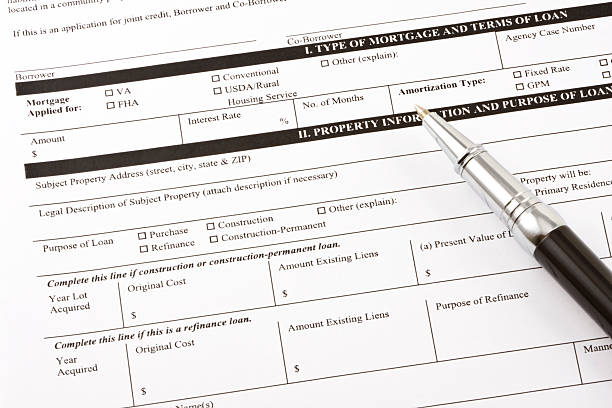
The process starts with loan origination. That’s the paperwork and fact-finding stage where a loan officer takes your application, pulls your credit, and gathers the documents needed to move forward. Origination is not approval. It’s the starting line. The loan officer may give you a preapproval based on what you’ve told them and a quick look at your credit, but the underwriter is the person who verifies everything and makes the real decision.
The first thing an underwriter looks at is your income. They want to see that your money is stable and likely to continue. If you’re a salaried employee, they’ll check your pay stubs and maybe call your employer to confirm you work there. If you’re self-employed, they’ll look at your tax returns and business records more closely. They are not trying to find reasons to reject you. They’re checking whether the income you listed on the application is supported by the documents you provided. Gaps in employment, big changes in pay, or income that can’t be documented will raise questions.
Next comes your credit history. The underwriter reviews your credit report to see how you’ve handled debt in the past. On-time payments matter. So do collections, charge-offs, and recent late payments. A single old late payment may not sink your loan, but a pattern of missed payments or a recent major problem will get extra attention. The underwriter also looks at how much credit you have available and how much you’re using. Maxed-out cards can make a lender nervous because they suggest you may be stretched thin.
Then there’s your debt-to-income ratio. That sounds fancy, but it’s simple: it compares your monthly debt payments to your monthly income. The underwriter adds up your expected new mortgage payment, property taxes, homeowners insurance, and other monthly debts like car loans, student loans, and minimum credit card payments. Then they compare that total to your income. A lower ratio is easier to approve. A higher ratio doesn’t automatically mean no, but it may mean the lender wants more cash reserves or a smaller loan.
Your assets and cash get a close look too. The underwriter needs to verify that you have enough money for the down payment and closing costs, and that the money is actually yours. A sudden large deposit into your checking account will usually require an explanation. It could be a gift from a family member, a tax refund, or the sale of something. That’s fine, but the lender needs a paper trail. They’re not being nosy for fun. They need to make sure the down payment isn’t secretly another loan.
The property matters just as much as your finances. The lender will order an appraisal to confirm the home is worth what you’re paying and that it’s in reasonable condition. They’ll also check the title to make sure there are no ownership disputes or liens that could cause problems later. If the appraisal comes in low or the title has an issue, the loan can hit a snag even if your personal finances are strong.
Along the way, the underwriter may issue conditions. These are simply requests for more information or clarification. Maybe a bank statement is missing a page, or the lender needs a letter explaining a new job. Conditions are normal. Respond quickly and completely, and you’ll keep things moving. The goal is a clean file that supports the loan amount, the home value, and your ability to repay. Once those pieces line up, you get the final approval and move toward closing.