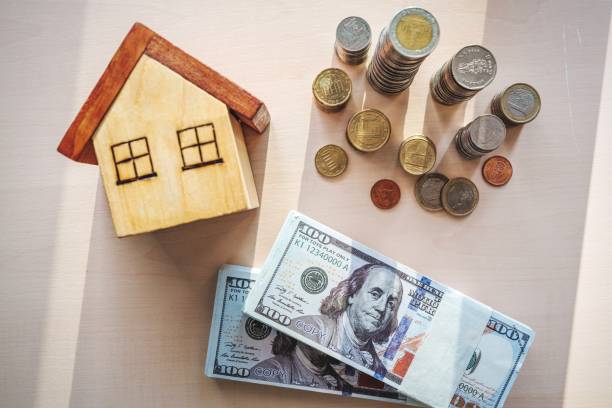
 Mortgage rates move up and down all the time. If you have been paying attention to the news or your lender’s emails, you have probably seen the numbers change. When rates go down, many homeowners start thinking about refinancing. But just because rates are lower than they were last year does not always mean you should jump in. You need to look at your own situation and understand what a lower rate really means for you.The most common reason people refinance is to lower their monthly payment. If the current interest rate on your mortgage is 6.5 percent and new rates are around 5 percent, you could save hundreds of dollars each month. Over the life of a thirty-year loan, that adds up to a lot of money. But you have to consider the costs. Refinancing is not free. You will pay closing costs, which can be two to five percent of the loan amount. On a two hundred thousand dollar loan, that could be four to ten thousand dollars out of pocket or rolled into the new loan. You need to figure out how long it will take to make that money back through lower payments. This is called the break‑even point. If you plan to stay in your home long enough to reach that point, refinancing makes sense.Another time to think about refinancing is when you want to change the type of loan you have. Many homeowners start with an adjustable‑rate mortgage because the initial rate is low. But those rates can go up after a few years. If you see rates dropping and you are worried about your ARM adjusting higher, you can lock in a fixed rate that will never change. That gives you peace of mind. Even if the fixed rate is a little higher than your current ARM rate, knowing your payment will stay the same for thirty years is worth something.Some people refinance to shorten their loan term. If interest rates are low, you might be able to switch from a thirty‑year mortgage to a fifteen‑year mortgage without raising your monthly payment too much. This is because the lower rate offsets the higher payment that comes with a shorter term. You end up paying off your house much faster and saving a huge amount on total interest. But your monthly payment will still be higher than before if you were only paying minimums, so you need to make sure your budget can handle it.There is also cash‑out refinancing. This means you take out a new loan that is bigger than what you currently owe. You get the difference in cash. Homeowners often use this money for home improvements, paying off high‑interest debt, or covering big expenses. When rates are low, the cost of borrowing that extra cash is cheaper than using a credit card or a personal loan. But be careful. You are increasing your mortgage debt, and if house prices fall, you could owe more than your home is worth. Only do this if you have a solid plan for the money and you are sure you can afford the new payment.One thing many homeowners forget is that your credit score matters a lot when you refinance. Lenders offer the best rates to people with high scores. If your score has improved since you got your original loan, refinancing could get you a much better deal. If your score has dropped, you might not qualify for the low rates you see advertised. So check your credit report before you start shopping around.Timing is also important. Rates can change quickly. You do not have to hit the absolute bottom to save money. If rates drop by at least half a percent to three‑quarters of a percent, and you plan to stay in the home for a few more years, refinancing is often worth considering. A rule of thumb is that you should aim for a rate reduction of at least one percent to make the costs worthwhile, but that is not a hard rule. Every situation is different. Run the numbers with your lender or use an online calculator.Keep in mind that refinancing resets the clock on your mortgage. If you have already paid ten years on a thirty‑year loan and you take out a new thirty‑year loan, you are adding those ten years back. That means you will be paying interest for longer unless you choose a shorter term. Some homeowners prefer to refinance into a new loan that still has the same remaining term, like a twenty‑year loan, to keep the payoff date similar.Finally, do not refinance just because your neighbor did it or because a lender calls you with a tempting offer. Look at your own goals. Do you want lower payments? Do you want to pay off the house faster? Do you need cash? Do you want to get out of an adjustable rate? Answer those questions first. Then compare rates from at least three lenders. Ask for a good faith estimate of all fees. And remember that the lowest rate is not always the best deal if the fees are sky high.Refinancing is a powerful tool, but it is not for everyone. When rates drop, it pays to slow down, do the math, and make a decision that fits your life.
Common expenses that are typically not included in your DTI calculation are: Utilities (electricity, water, gas) Cable, internet, and phone bills Insurance premiums (health, life, auto) Groceries and entertainment 401(k) or other retirement contributions
Unlike renting, where the landlord handles repairs, you are solely responsible for all maintenance as a homeowner. Failing to budget for these costs can lead to financial crisis when a major system fails. A dedicated maintenance fund prevents you from going into debt or being unable to afford critical repairs, which protects your home’s value and your investment.
1. Contact your loan servicer to understand their specific requirements.
2. Ensure you meet all criteria (e.g., good payment history, waiting periods).
3. If using appreciation, order an appraisal or BPO as required by the lender.
4. Submit a formal written request for PMI cancellation.
5. Follow up persistently until the PMI is officially removed from your account.
Typically, lenders look for at least two years of consistent employment in the same field or industry. This doesn’t always mean you must have been with the same employer for two years, but you should be able to show continuous employment without significant gaps.
The appraisal protects the lender by ensuring the property is worth the amount they are lending. If the appraised value comes in lower than the purchase price, the loan-to-value (LTV) ratio becomes riskier for the lender. This can lead to a renegotiation of the sale price, the borrower needing to bring more cash to close, or the loan being denied.