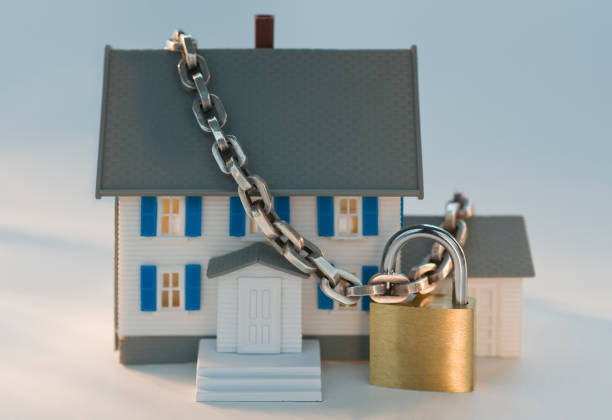
Most homeowners spend days comparing mortgage interest rates, scrolling through online quotes, and calling up lenders to see who offers the lowest number. But here’s the thing that catches a lot of people off guard: the rate you see today is not the rate you’ll get when you close. Mortgage rates move up and down constantly, sometimes several times a week. That’s why one of the smartest questions you can ask before you even fill out an application is about rate locks. A rate lock is a promise from your lender that you’ll get a certain interest rate for a set period of time. Without a lock, you’re at the mercy of the market. With a lock, you can breathe easy knowing your monthly payment won’t jump just because the economy sneezed.
Before you apply, ask your lender directly: “How long can you lock my rate, and when does that clock start ticking?” Some lenders lock your rate the day you apply. Others wait until you’ve been approved and have a signed purchase agreement. The difference matters. If you’re buying a home and closing in 30 days, a 30-day lock might be fine. But if your closing gets delayed because of title issues, appraisal holdups, or the seller’s moving date slips, you could run out of lock time. Then you’re either paying a fee to extend the lock or you’re exposed to whatever rates are doing that day. Ask upfront what the extension fees look like. Some lenders will give you a free 15-day extension, others charge a hefty amount. Knowing this before you apply saves you from nasty surprises later.
You also want to ask what happens if rates drop after you lock. Some folks think a rate lock protects them both ways, but that’s not always true. Many lenders have a “float down” option, which lets you take a lower rate if the market moves in your favor before closing. But that option often comes with a cost, either a higher upfront fee or a slightly worse initial rate. Ask your lender plainly: “If rates go down after I lock, do I get the lower rate automatically? Or do I need to pay for a float down?” No-nonsense lenders will explain the policy without sugarcoating. Some will tell you that you get the lower rate only if it drops by a quarter of a percentage point or more, and only if you pay a fee. Others won’t offer any float down at all. That’s okay, as long as you know before you commit.
Another critical question is about the lock itself. Is the lock tied to a specific loan program? For example, if you’re approved for a 30-year fixed mortgage, your lock is for that program. But if you decide to switch to an adjustable-rate mortgage or a 15-year loan after locking, the old lock goes out the window. You’re starting fresh with a new rate. So ask: “What happens if I change my loan terms after locking?” The answer will usually be that your rate is no longer guaranteed. That means you should finalize your decision on loan type before you ask for a lock, not after.
Here’s another question that trips up many homeowners: “Who pays for the rate lock?” Sometimes the lock is free, but often it’s bundled into your closing costs. Lenders might quote you a rate with a “lock fee” of a few hundred dollars, or they might build that cost into a higher interest rate. Ask them to break it down. A lender who gives you a straight answer about lock costs is a lender you can trust. If they mumble or say “don’t worry about it,” that’s a red flag. You want everything in writing.
Finally, ask about what happens on the day of closing. If your closing is delayed by a day or two, disappears. That’s why you need a cushion. A 45-day lock on a 30-day closing gives you room to handle the unexpected.
Now, let’s be real. A rate lock isn’t the most exciting topic. But it’s one of the most practical things you can nail down before applying. You wouldn’t buy a car without asking if the price is guaranteed until you drive it off the lot. Your mortgage is far bigger. So don’t be shy. Ask the hard questions, get clear answers, and lock in the peace of mind that comes with knowing exactly what your payment will be. That’s how you avoid getting ripped off and how you work with your lender like a savvy homeowner, not a confused one.