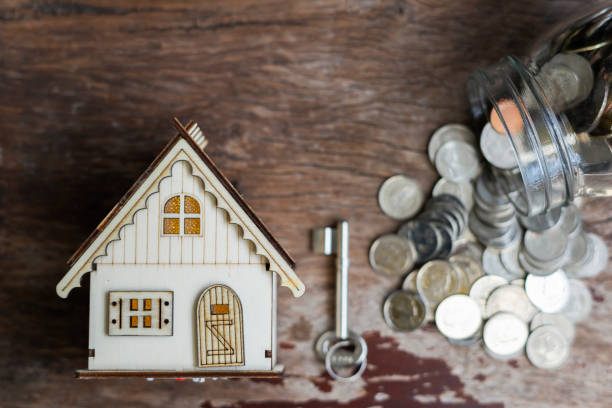
You’re sitting in front of your lender, and the conversation turns to that moment every homebuyer faces: locking in your interest rate. The lender says, “You can lock today at 6.5%, or you can float and see if rates drop before closing.“ Your gut says wait—what if rates go down next week? But your head says lock, because what if they jump? This is one of the biggest guessing games in the mortgage process, and there’s no crystal ball that will give you a perfect answer. What you need instead is a simple way to think about the decision, one that keeps you calm and protected no matter what the market does.
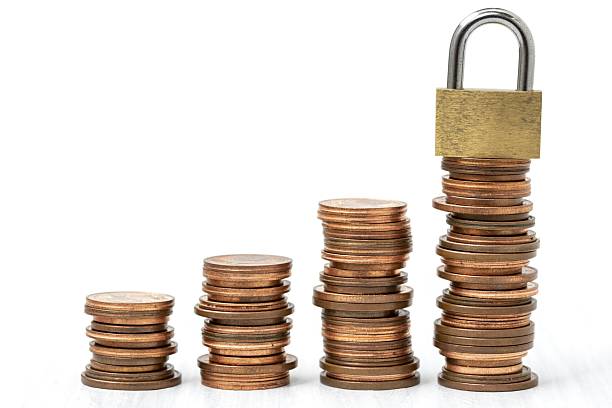
First, understand what a rate lock actually means. When you lock your rate, your lender guarantees that you’ll get that specific interest rate for a set period of time—usually 30, 45, or 60 days—as long as you close your loan before that period ends. If rates go up after you lock, you’re safe. If rates drop, you’re stuck with the higher one unless you have a special float-down option, which we’ll get to in a moment. Floating means you don’t lock, so your rate is whatever the market rate is on the day you close. That’s great if rates fall, but it’s a risk if they rise. The real question is not “What will the market do?“ but “How comfortable are you with uncertainty, and what is your timeline?“
Your closing date is the biggest factor. If you’re 45 days away from closing, locking today gives you a known cost for your monthly payment, your total interest, and your closing costs. That certainty matters because the rest of your life—moving trucks, school registration, seller repairs—has enough unpredictability. A rate lock removes the single biggest financial variable from the equation. On the other hand, if you’re only ten days from closing, there’s very little time for rates to move drastically, so floating isn’t as risky. Most lenders won’t allow a lock shorter than two weeks anyway, and a short floating period means you’re basically betting on a tiny window of change. In that case, locking is usually the smarter, easier move because the market just doesn’t swing that much in ten days.
Now, what if you’re farther out, say 60 days? That’s when floating gets tempting. But here’s the no-nonsense truth: nobody can predict mortgage rates with any reliability. Not your lender, not the TV experts, not you. Rates move based on inflation data, employment reports, Federal Reserve meetings, and world events. You might read a headline saying rates are expected to fall, and then a surprise jobs report pushes them higher. The opposite happens just as often. So when someone tells you to “wait for rates to drop,“ they’re giving you a wish, not a plan. A better approach is to ask your lender if they offer a float-down option. This is a lock with a built-in escape hatch: you lock today, but if rates drop by a certain amount before closing, you get the lower rate anyway. This costs a bit more upfront or a slightly higher rate, but it solves the biggest fear you have about locking—the fear of missing out on a better deal.
Here’s another thing to consider: your long-term payoff. A quarter of a percentage point on a $300,000 loan is roughly $45 a month. Over a 30-year mortgage, that’s about $16,000 in extra interest. That sounds like a lot, and it is. But think about what you control. You control how often you shop around, how clean your credit is, and whether you choose a lender that charges junk fees. Those decisions can save you far more than obsessing over rate movement for three weeks. So if the difference between floating and locking is nagging you, ask yourself if you’re spending energy on the wrong part of the deal.
A practical rule of thumb works well for most homeowners: if locking your rate today keeps your monthly payment within a range you can afford without stretching, then lock it. Don’t chase a quarter-point drop that might never come. If you absolutely cannot close on time because your loan needs more underwriting, or if you have a very long escrow period, then floating might be necessary because a lock would expire before you close. In that case, ask your lender about a break-even cost for extending the lock versus floating and risking a rise that pushes you over your budget.
The best thing you can do is have a conversation with your loan officer that goes like this: “If I lock today, what is my rate, and what are the fees? If I float, what is the risk that rates rise enough to make me ineligible for the loan? Can I lock later without losing my deadline?“ A good lender will walk you through the numbers honestly. A bad lender will just want you to lock so they can close the deal without hassle. You’re not being greedy or foolish if you ask for a scenario where rates go up half a point before closing. That’s just being smart.
At the end of the day, the best decision is the one that lets you sleep at night. If you know your interest rate, your mortgage payment, and your total loan cost ten weeks from now, that certainty has real value. If you’re willing to gamble, then float—but only with money you can afford to lose when rates rise, not just when they fall. Most American homeowners, especially first-timers, find that locking a fair rate sooner rather than later gives them peace of mind that no market fluctuation can take away.
So ask your lender what today’s locked rate is, compare it to the floating rate they’re quoting, and think about how much a small change matters to your monthly budget. Then make your choice and move on. You have better things to do than refresh a rate chart every morning. Your future self will thank you for making a decision and sticking with it.