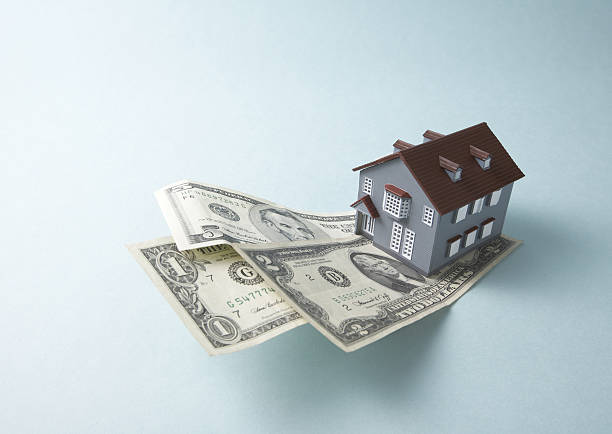
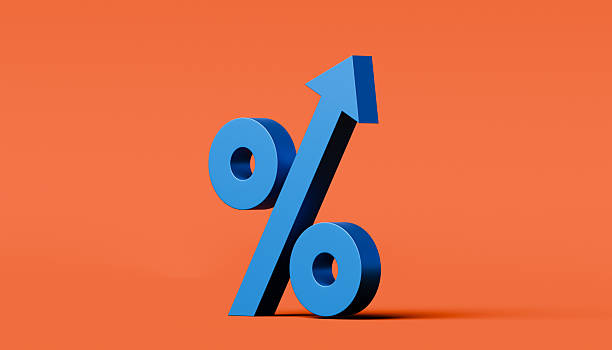
 When you are shopping for a home loan, one of the biggest choices you will face is whether to pick a fixed-rate mortgage or an adjustable-rate mortgage. The name tells you the main difference, but what does that actually mean for your wallet each month? Let us break it down in plain English.A fixed-rate mortgage is exactly what it sounds like. The interest rate you get when you sign the papers will never change for as long as you have that loan. If your rate is four percent today, it will be four percent in five years, ten years, and even thirty years from now. That means your monthly payment for principal and interest stays the same for the whole life of the loan. Your property taxes and insurance might go up over time, but the part that pays back the bank does not budge.With an adjustable-rate mortgage, also called an ARM, the rate starts out lower than a fixed rate, but it can change later. Most ARMs have an initial period where the rate is locked, often three, five, seven, or ten years. After that period ends, the rate will reset on a regular schedule, usually once a year. The new rate depends on a benchmark index, like the Secured Overnight Financing Rate, plus a margin set by your lender. If that index goes up, your rate goes up, and your monthly payment goes up too. If the index goes down, your payment can drop, but that is less common.So how does this affect your everyday life? Imagine you buy a home with a thirty-year fixed mortgage at four percent. Your payment for principal and interest is one thousand dollars a month. Ten years later, that payment is still one thousand dollars. You can plan your budget without any surprises from your mortgage. That peace of mind is the big draw of a fixed rate.Now imagine you go with a five-year ARM that starts at three and a half percent. Your initial payment might be around nine hundred fifty dollars per month. That saves you fifty dollars early on, which can help with closing costs or furnishing the house. But after five years, the rate can adjust. Let us say the index has gone up by two percent since you got the loan. Your new rate would be five and a half percent, and your payment jumps to about one thousand one hundred thirty-five dollars. That is almost two hundred dollars more per month, and it could go up again the next year.The risk with an ARM is that you do not know what future rates will be. If rates stay low or drop, you could save money over the long run. But if rates climb, your payment could become hard to afford. Many homeowners who took an ARM before the 2008 housing crisis got burned when their payments doubled or tripled. Since then, new rules have added protections. Modern ARMs have limits, called caps, that stop your rate from going up too much at one time. A typical cap might say the rate cannot increase more than two percent at the first adjustment, and no more than six percent total over the life of the loan. Even so, a six percent jump on a loan could still be painful.Which one is better for you? It depends on how long you plan to stay in the house. If you know you will move in five or seven years, an ARM can be a smart play. You get a low rate for the time you are there, and then you sell before the big adjustments start. But if you plan to stay for ten, twenty, or thirty years, a fixed rate protects you from future rate hikes. You pay a little more upfront, but you never have to worry about your payment changing.Another thing to consider is your comfort with uncertainty. Some people sleep better knowing exactly what their mortgage will cost each month. Others are willing to take a chance on a lower initial rate in exchange for some risk. There is no right answer for everyone.Before you decide, look at the numbers. Ask your lender to show you the worst-case scenario for the ARM. Imagine the rate hits the cap. Can you still afford that payment? If not, you might be better off locking in a fixed rate. Also, check how long the initial fixed period lasts. A seven-year ARM gives you more time than a three-year ARM before any changes kick in.In the end, the choice between fixed and adjustable rates comes down to how long you will be in the home and how much risk you can handle. Fixed rates give you stability. Adjustable rates give you a lower start but can change. Understanding that difference will help you pick the loan that fits your life.
Yes, in many transactions, the seller can agree to pay for some or all of the buyer’s closing costs. This is known as “seller concessions” and is often negotiated as part of the purchase agreement.
Most lenders will require your two most recent years of federal tax returns, including all schedules, and your two most recent W-2 forms. Self-employed individuals may need to provide additional years.
Property taxes are based on the assessed value of your home and the land it sits on. A local government tax assessor determines this value, and the tax rate (or millage rate) is set by local taxing authorities like the city, county, and school district. The tax is calculated by multiplying the assessed value by the tax rate.
Your deductible does not directly affect your mortgage terms. However, you should choose a deductible you can comfortably afford to pay out-of-pocket if you file a claim. A higher deductible usually lowers your premium but means you pay more upfront for repairs.
Bring your inspection report and purchase agreement to check off items. Key things to look for include:
Testing all appliances, faucets, toilets, and HVAC systems.
Checking that the seller has not taken any fixtures that were supposed to stay.
Ensuring all repairs documented on the repair addendum have been completed satisfactorily.
Looking for any new damage to walls, floors, or windows from moving out.
Verifying that the garage door openers, keys, and any other agreed-upon items are present.