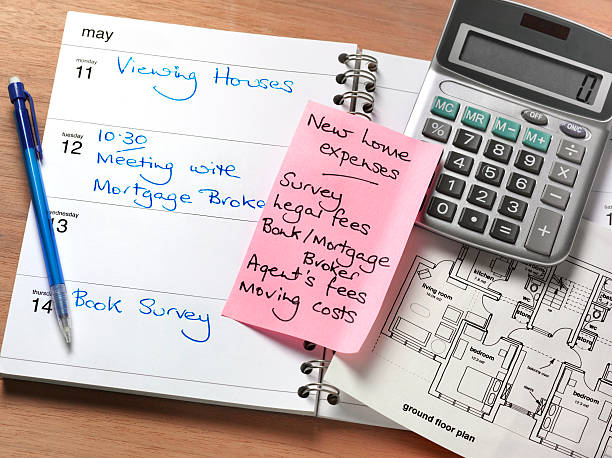
 If you own your home and have been making mortgage payments for a few years, you might have built up something called equity. Equity is simply the part of your home that you actually own, meaning the difference between what your house is worth and what you still owe on your mortgage. When you need money for a big expense like a new roof, a kitchen remodel, or finishing the basement, one option is to tap into that equity with a cash-out refinance.A cash-out refinance works like this: you take out a new mortgage that is larger than your current loan. The bank pays off your old mortgage, and you get the extra money as a lump sum in cash. That cash is yours to use however you want, but the most common and often smartest use is to improve your home. The new mortgage replaces your old one, so you will have one monthly payment, but it will be based on the larger loan amount. The interest rate on the new loan might be different from your old rate, and you will also have to pay closing costs, just like when you first bought your house.Why would a homeowner choose a cash-out refinance over other ways to borrow money, like a credit card or a personal loan? The main reason is that mortgage interest rates are usually much lower than rates on credit cards or personal loans. Also, because the loan is secured by your home, lenders are willing to offer larger amounts and longer repayment terms, sometimes up to 30 years. That means your monthly payments can be more manageable compared to paying off a big credit card bill in a few years.But there are important things to think about before you go ahead. First, a cash-out refinance increases your total debt. You are borrowing more money against your house, which means you own a smaller percentage of it. If your home value drops, you could end up owing more than the house is worth, a situation called being underwater. That can be a problem if you need to sell suddenly. Second, you will have to pay closing costs, which typically range from two to five percent of the loan amount. On a $300,000 loan, that could be $6,000 to $15,000. Some lenders let you roll those costs into the loan, but that means you are paying interest on them for decades.Another risk is that you are trading short-term cash for a longer-term debt. If you have only ten years left on your current mortgage and you do a cash-out refinance into a new 30-year loan, you will be making payments for twenty more years than you planned. That might not be a problem if you intend to stay in the house, but it does mean you will pay more total interest over time.For home renovations specifically, a cash-out refinance can be a smart move if the improvements add real value to your house. For example, updating an old kitchen or adding a bathroom often increases your home’s resale value. In that case, the money you borrow is being invested right back into your biggest asset. But if you plan to use the cash for something that doesn’t increase value, like buying a car or taking a vacation, you should think twice. You are putting your home at risk for something that won’t help you build wealth.There are other ways to get money for renovations. A home equity loan gives you a lump sum but keeps your original mortgage separate, so you end up with two monthly payments. A home equity line of credit, or HELOC, works more like a credit card that you can draw from as needed. Both have their own pros and cons, and the best choice depends on your situation. Cash-out refinancing is usually best when interest rates are low and you want to lock in a single payment with a fixed rate for the long term.Before you decide, talk to a few different lenders and ask for loan estimates. Compare the interest rates, closing costs, and monthly payments. Make sure you understand how much your new monthly payment will be and whether you can afford it comfortably. Also, ask about any prepayment penalties or fees if you pay off the loan early. And always keep in mind that your home is the collateral. If you fall behind on payments, you could lose your house in foreclosure.Finally, be honest with yourself about why you want the money. Home renovations can be a good reason to tap into equity, especially if the improvements will make your home more livable and valuable. But borrowing against your home is a serious decision. Take your time, do the math, and make sure the numbers work for you both now and in the future.
Your down payment is a percentage of the home’s purchase price that you pay upfront to secure the loan, while closing costs are the fees for the services and processes needed to originate the mortgage. They are two separate, concurrent payments due at closing.
A direct lender (like a bank or credit union) provides the loan funds directly to you. A mortgage broker acts as an intermediary, working with multiple lenders to find you a suitable loan. Brokers can offer more options and may find better deals, while working with a direct lender can sometimes be a more streamlined process.
Some mortgages have a “prepayment penalty,“ a fee for paying off the loan ahead of schedule. This is more common in the early years of the loan. Review your original loan documents or contact your lender directly to confirm if your mortgage has this clause.
The loan term (e.g., 15, 20, or 30 years) directly impacts the APR. Because fees are amortized over the life of the loan, a shorter-term loan (like a 15-year mortgage) will often have a higher APR than a 30-year loan with the same fees, as the costs are spread over fewer years.
Underwriters scrutinize bank statements to:
Verify Assets: Confirm you have enough for the down payment and closing costs.
Identify “Sourcing”: Ensure your funds come from acceptable sources (e.g., savings, gift funds). Large, unexplained deposits can raise red flags.
Assess Stability: Look for consistent account management and no concerning activity like overdrafts.